Houghton County will complete paperwork to obtain its Substance Abuse Prevention and Treatment Block Grant funds through the Substance Abuse and Mental Health Services Administration that were awarded in 2024.
In June 2025, the county began transitioning its $2 million grant award to the Western Upper Peninsula Health Department but was advised not to complete the transfer until after the fiscal year ended. A federal government shutdown in October presented additional challenges. SAMHSA has said it will accept Houghton County’s action plan and continuation funding application.
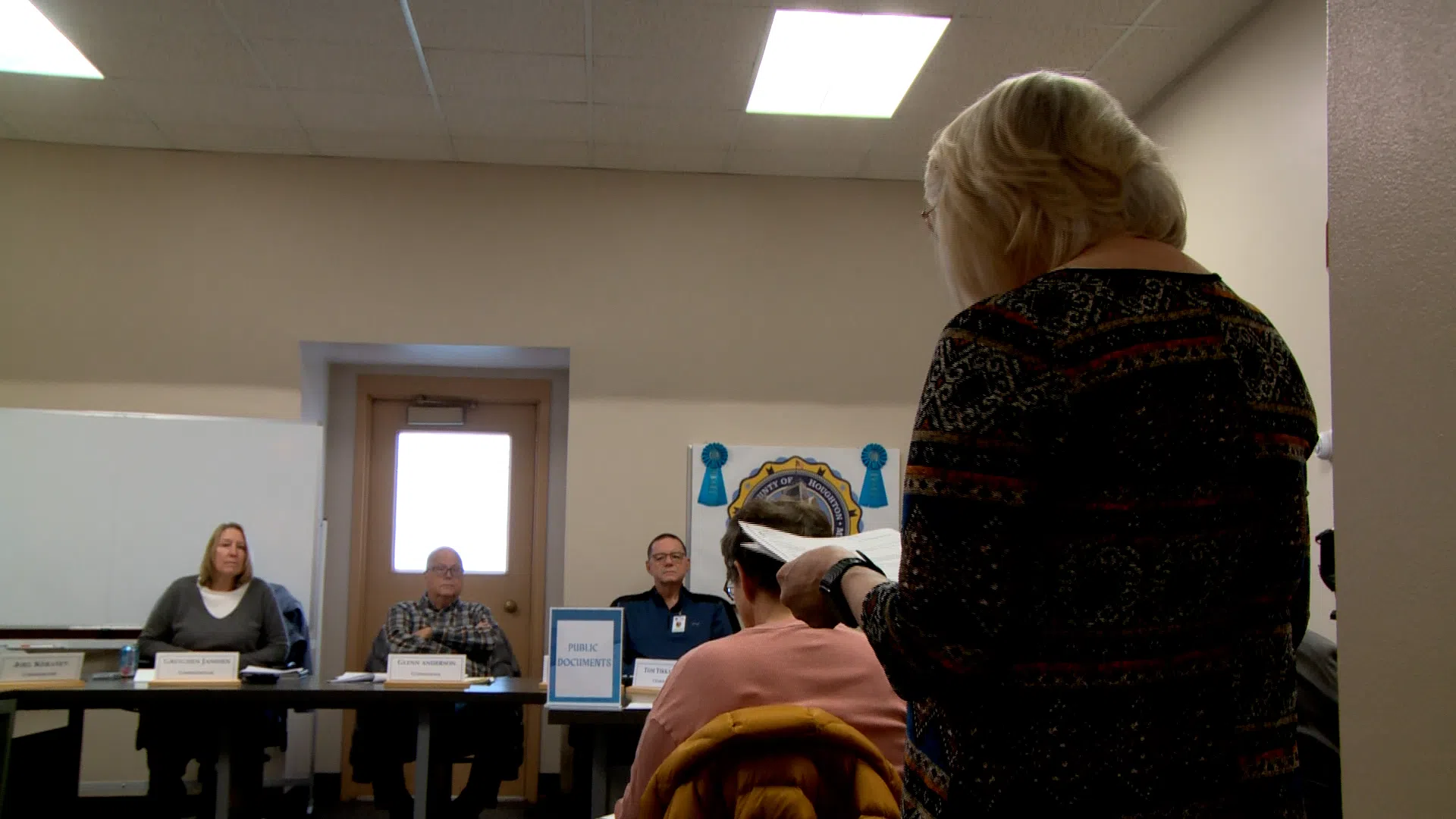
“One of the key features of this grant is it’s not a reimbursement grant,” said Tom Tikkanen, chairman of the Houghton County Board of Commissioners. “Many times with various grants, the county has to expend funds from our general fund or other sources in order to implement these services. This one we’re able to draw down funds in advance.”
The Board of Commissioners will maintain oversight of the grant program. County administrators are working with the original grant writers, and Western Upper Peninsula Health Department Director Pete Berry has provided office space in Hancock.
The commissioners expressed support for the drug treatment court program established under former Houghton County Judge Mark Wisti. The grant will support addiction services for residents of Baraga, Houghton, Keweenaw, Ontonagon and Gogebic counties.
“We’re hopeful that it would be available to the Western U.P. residents and that appears that will in fact come to fruition,” Tikkanen said. “It’s been kind of a rocky road simply because of federal funds being involved and those have been in question through the entire process but as we speak today it’s back available.”
Houghton received the grant alongside 60 other proposals. The five-year program received support when the Trump administration restored $2 billion in SAMHSA funding in January after briefly pausing it. President Trump later signed an executive order creating the Great American Recovery Initiative, establishing a 14-member board to coordinate the federal government’s substance abuse response.